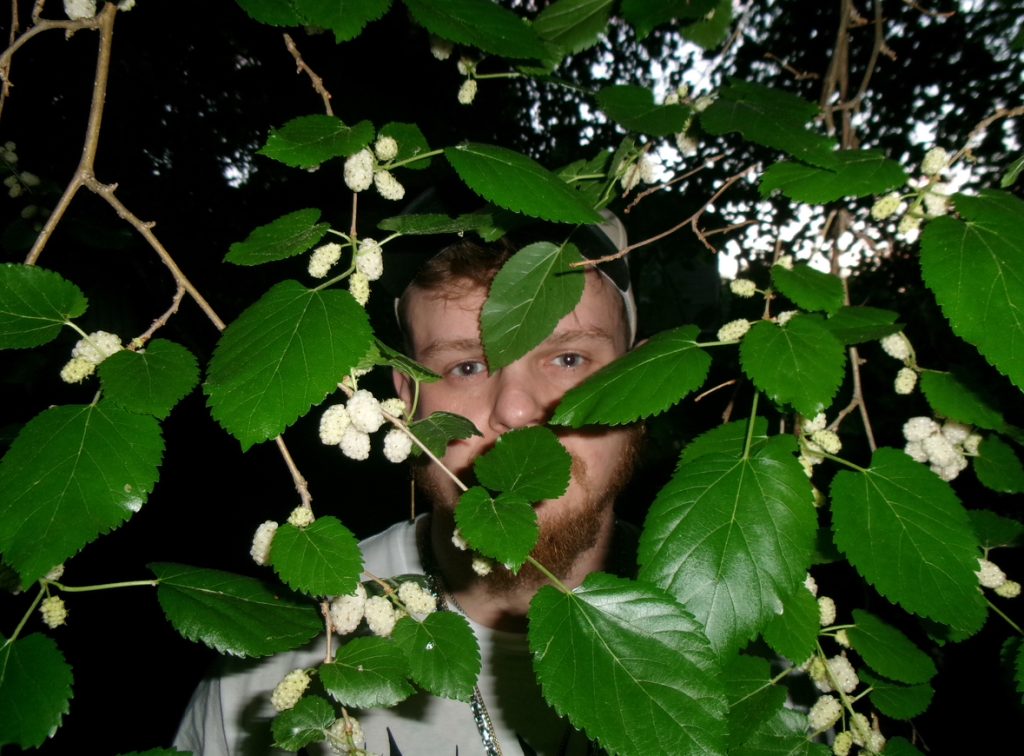
Big Mooky doesn’t make music to fit into a trend cycle — he makes music because he has to. What started as a creative outlet during college quickly evolved into something deeper after life shifted unexpectedly. Legal troubles, mental battles, toxic relationships, and the pressure of chasing dreams all became fuel for an artist determined to turn raw emotion into connection.
Blending sharp lyricism, melodic vulnerability, punk energy, and hip-hop authenticity, Big Mooky represents a generation of artists refusing to be boxed in. Influenced by everyone from Mac Miller and Lil Wayne to emo and screamo music, his sound feels chaotic in the best way — honest, emotional, and alive.
But beyond the music, Big Mooky’s mission is bigger than streams and social media metrics. Through his label Snakepit Entertainment, he’s focused on creating real opportunities for artists while building a community rooted in authenticity and emotional truth.
In this Q&A, Big Mooky opens up about imposter syndrome, heartbreak, artistic pressure, and why “Love is the legacy” has become the foundation of everything he creates.
When did you first realize rap was more than just a hobby for you, and what was the moment that made you say, “This is it?”
I had started taking music more seriously my freshman year of college because it was the first time I was constantly surrounded by people who were hungry to create. I got kicked out about a year later when I had caught some charges and that’s when I noticed a big shift. It turned from being a passion, an interest, and a hobby into being an absolute necessity not only for my mental stability but also my livelihood.
When you’re writing, do you start with the beat, the lyrics, or a feeling you want to capture?
I feel like the writing process never truly stops. If I’m driving and listening to music, I’m going to be freestyling over the instrumental. If I hear something that resembles a bassline, I start hearing melodies in my head. However, I feel like the songs that end up resonating the most are the ones that I write with a specific feeling or intention, even if that is simply trying to invoke a vibe.
Which artists or life experiences have shaped your style the most, and how can listeners hear that influence in your music?
If I’m not singing melodies and just spitting bars I get most commonly compared to Mac Miller (RIP Malcolm). His KIDS mixtape definitely helped push me to want to create when I was first considering music. Lil Wayne and Young Money was a lot of the hip hop I was listening to growing up but I was also definitely that emo metal-head kid listening to screamo as well. I feel like you can tell when I perform.
If someone had never heard your music before, which one track should they start with, and why?
“Church” was my first single so I feel like that’s an honest place to start. “Chill Pill” is definitely a nice intro to my vibe and you can really hear the Mac Miller influence. “Wax Wings: Icarus” is probably my personal favorite in terms of what’s released but I feel like the song “TRACKMEET” I’m about to release might be my new answer. It’s raw, it’s honest, and it’s full of rockstar energy. “TRACKMEET” is how I like to end my performances because of its pure stopping power.
What’s the hardest obstacle you’ve faced in your career, and how did you overcome it?
One of the hardest obstacles I’ve had to face has been imposter syndrome. In this industry you have to tell yourself and others that you are the absolute best to an almost delusional point, all the while, everyone around you is doing the exact same thing.
Social media has changed the landscape to the point where you are often pressured to chase clicks or certain metrics that have nothing to do with the craft itself and it ends up taking a monstrous toll on my artistic drive and confidence. I feel like the solution is to almost create your art as if it’s in a vacuum—create for yourself from what is within, not for what you think other people want.
You’ve probably lived through moments your fans don’t know about—what’s one personal story behind a song that changed how you see life or music?
“Morning Coffee” is a song written about the relationship I was in during the COVID quarantine. We were living a little north of Atlanta when all of the riots started taking place. It was a really dark time that showed that I was not with the right person, although having every intention to make it work in the long term.
“If I left for the night, would you let me come back again?” That lyric is talking about a loved one leaving drunk and screaming in the middle of night, only to come back apologetic hours later and whether or not we choose to accept the kinds of affection we are faced with.
How do you feel about the current state of hip hop, and where do you see yourself fitting into it?
I started in this industry as someone who wanted to create a space for artists to create and get paid without having to worry about their royalties or their masters getting mishandled, mismanaged, or abused. That is why I started my record label, Snakepit Entertainment, with Lago Link.
I would like to get to a place in my solo career to be able to facilitate genuine artist growth for upcoming creators I believe in and help shape the next step of what “good” hip-hop sounds like.
What’s the most misunderstood thing about you as an artist or person, and how does your music set the record straight?
People often times think I’m playing a character or a persona but that couldn’t be further from the truth. I pride myself on being genuine and putting out music from the heart. I feel like once people interact with me or chat with me they realize that I’m just a dude who wants to make good music and make people happy, there’s no ulterior motive.
When people talk about you years from now, what do you want them to say about your impact on the culture?
Love is the legacy. It’s in my Spotify bio and has been since day one. When people tell me that one of my songs got them through something or helped them feel seen, that’s the impact I want to make. When people come to my shows and tell me that they’ve found community, that’s the legacy I want to leave.
What’s coming up next that fans should be excited about—whether it’s music, performances, or collaborations?
Multiple visuals on the way along with collaborations from Trillville Rasta, Xotic Meech, Tweekeen, Neem the Animist, and even Baby Goth. A new approach to my set and more immersive live show. I’m very excited for what’s coming.
Big Mooky represents a generation of artists learning how to survive while staying emotionally honest in the process. His music lives somewhere between vulnerability and chaos — balancing introspective storytelling with the explosive energy of someone who truly belongs on stage.
Whether he’s unpacking heartbreak, battling imposter syndrome, or building opportunities for independent artists through Snakepit Entertainment, one thing remains consistent: everything comes from a real place.
And if “Love is the legacy” is the mission, then Big Mooky is already leaving his mark — not just through music, but through the community and emotional connection he’s building around it.